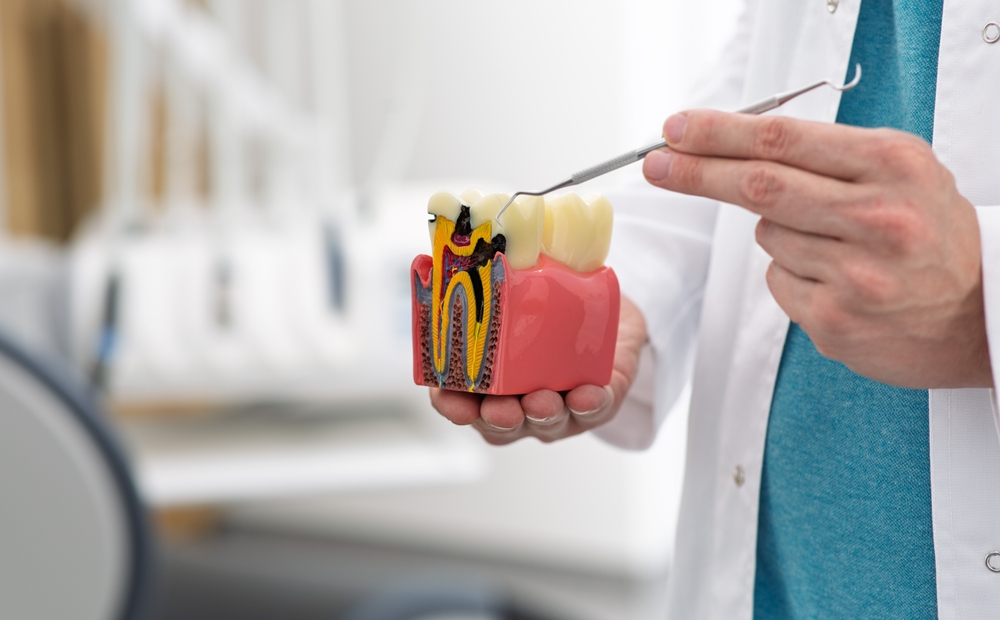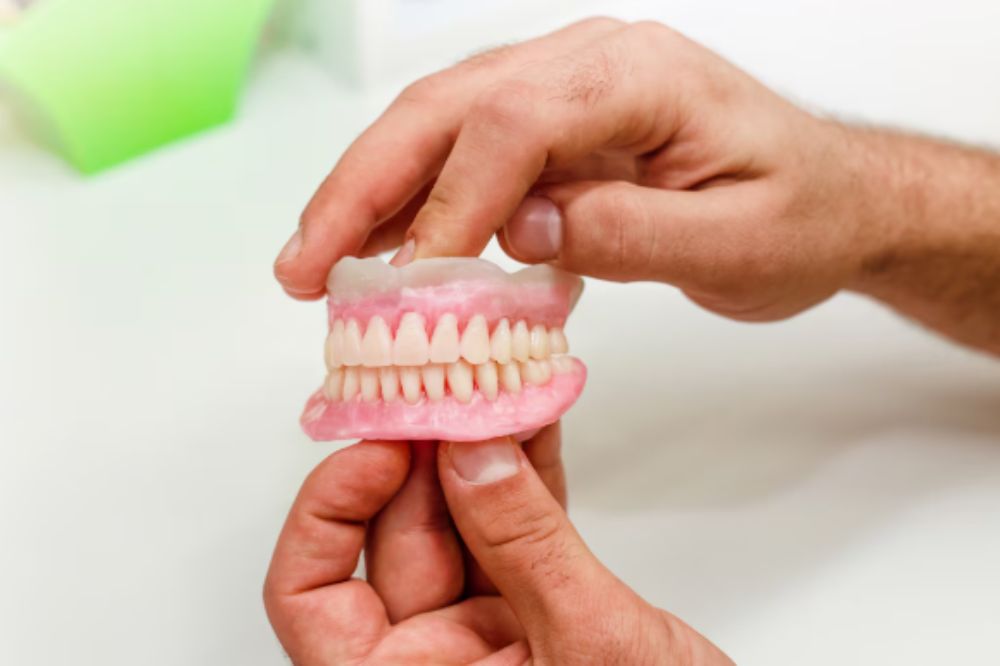
Wisdom teeth are the final set of molars to emerge, usually appearing in your late teens or early twenties. For many people, these teeth can cause significant worry. You might wonder whether surgery is guaranteed in your future. When considering wisdom tooth removal in New Westminster, it is important to know that not every third molar needs to be removed. However, because our jaws are often smaller than those of our ancestors, these teeth often lack room.
What Are Wisdom Teeth?
Wisdom teeth are technically called third molars. Most people have four of them, located at the very back of the mouth. Because they are the last to arrive, they often find the “neighborhood” already full. When a tooth cannot break through the gum line properly, it becomes impacted. This is a primary reason why a dentist in New Westminster might suggest an extraction to protect your overall oral health.
When Can You Keep Your Wisdom Teeth?
Not every patient requires surgery. A dentist will generally leave your wisdom teeth alone if they meet the following criteria:
- Healthy: They are free from decay, and the surrounding gums are firm.
- Fully Erupted: They have fully erupted through the gum.
- Positioned Correctly: They are biting properly with the opposing teeth.
- Cleanable: You can reach them easily with a toothbrush and floss.
If your teeth fit this description, you need to keep up with regular check-ups to ensure they stay healthy.
Signs That Removal Is Necessary
Often, wisdom teeth grow at odd angles or stay trapped under the bone. This can lead to several problems, making extraction the safest choice. Here is a look at common issues:
1. Impaction and Pain
Impacted teeth push against other molars, causing pain for the person. The pressure from crooked teeth can move your teeth out of alignment.
2. Cysts and Bone Damage
Sometimes, a sac of fluid called a cyst forms around a new tooth. If left untreated, it can damage the jawbone and the roots of nearby teeth.
3. Chronic Infection
Because these teeth are so far back, they are hard to clean. This makes them magnets for bacteria, leading to gum disease or repeated infections known as pericoronitis.
Understanding the Extraction Process
If your dental professional recommends a procedure, it is usually to prevent future pain. The complexity of the surgery depends on the position of the teeth.
| Degree of Impaction | Description | Typical Action |
| Soft Tissue | The tooth is under the gum but above the bone. | Simple Extraction |
| Partial Bony | Part of the tooth is stuck in the jawbone. | Surgical Removal |
| Full Bony | The tooth is entirely encased in the bone. | Advanced Surgery |
If you are experiencing jaw stiffness or swelling, searching for “Wisdom Teeth Removal near you” is the first step toward finding relief. Early diagnosis via X-rays is the best way to avoid emergency surgery later.
What to Expect During Recovery
Recovery usually takes a few days. Your dental team will provide specific instructions to help you heal quickly. Most patients return to normal activities within a week, provided they follow these simple steps:
- Stick to soft foods like yogurt, applesauce, and mashed potatoes.
- Avoid using straws, as the suction can dislodge the healing clot.
- Keep the area clean by gently rinsing with warm salt water.
- Rest with your head elevated to reduce swelling.
Getting an assessment from a dentist near you early on can make the recovery process much smoother, as younger patients often heal faster than adults.
A Healthy Smile for the Future
The decision to save your third molars is made between you and your dentist. Not every tooth requires extraction, but the better option is to be proactive to avoid sudden pain or crowding. Regular dental x-rays will ensure your smile stays straight and pain-free for a while now.
At Artis Dental Center, our team focuses on gentle care and clear communication. We use modern technology to assess your jaw and provide the best options for your comfort. If you are concerned about your third molars, book an appointment with us today. We are proud to support our community with professional care and a friendly environment.
Frequently Asked Questions
Does wisdom tooth removal hurt?
The procedure is done with numbing or sedation so that you won’t feel pain during the surgery, only some post-op pressure.
How long does the surgery take?
Most extractions take about 45 to 60 minutes, depending on how many teeth are being removed and their positions.
What is a dry socket?
A dry socket occurs when the blood clot dislodges too early, exposing the bone and causing pain during recovery.
Can I eat after the procedure?
You can eat soft foods once the numbing wears off, but avoid hot liquids and spicy foods for a few days.
Why are wisdom teeth so problematic?
Most people do not have enough room in their mouths for these extra molars, leading to crowding and hygiene issues.