What is a root canal, and why might you need one? Many people feel nervous when they hear the term “root canal treatment.” However, a root canal near you is often the best way to save a damaged or infected tooth and avoid extraction. Patients searching for root canal treatment near you are usually seeking relief from tooth pain while preserving their natural smile.
A root canal is designed to remove infection from inside a tooth, stop discomfort, and help keep the tooth functioning normally for years to come.
Understanding How a Tooth Becomes Damaged
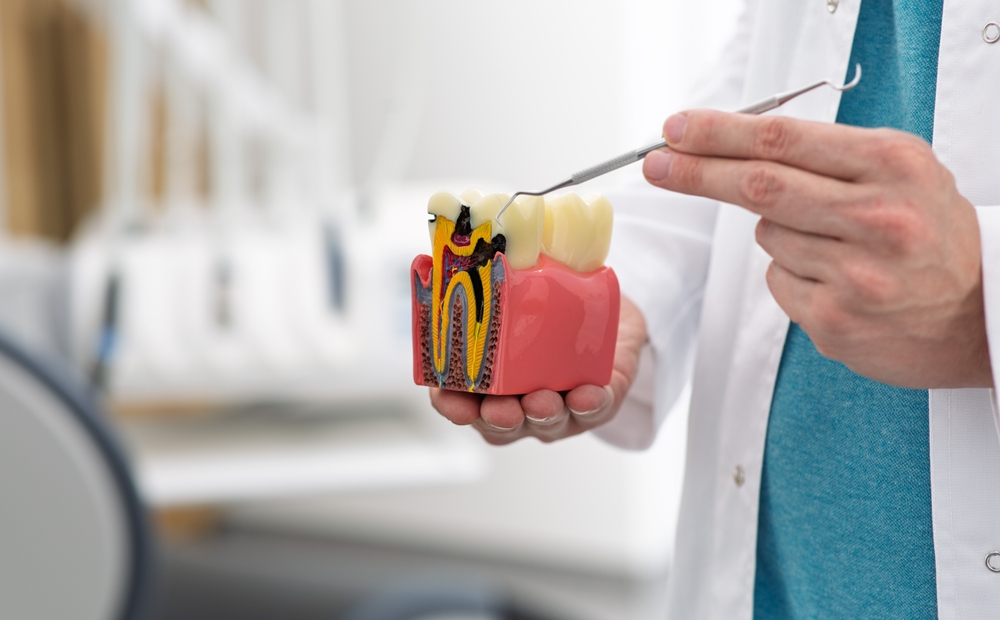
Inside every tooth is a soft area that contains nerves and blood vessels. When this area becomes infected or damaged, treatment may be needed to save the tooth.
Common causes include:
- Deep cavities
- Cracked teeth
- Dental injuries
- Repeated dental procedures
- Severe tooth wear
Without treatment, infection may spread and lead to more serious oral health concerns.
Signs That a Root Canal May Be Needed
The need for a root canal is not always obvious, but certain symptoms may indicate a problem.
Possible warning signs include:
- Persistent tooth pain
- Sensitivity to hot or cold foods
- Swollen gums
- Pain while chewing
- Tooth discoloration
- Small bumps on the gums
A dental evaluation is necessary to determine the exact cause of these symptoms.
What Happens During a Root Canal?
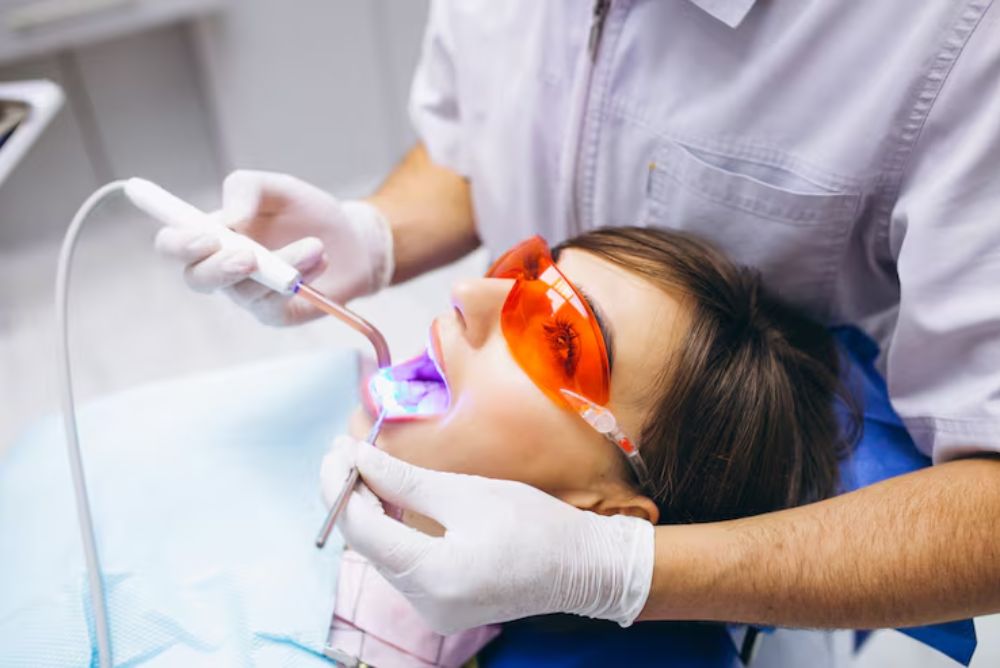
Many people are surprised to learn that modern root canal treatment is often as comfortable as receiving a dental filling.
The procedure typically involves:
- Examination and Diagnosis: The dentist near Highgate Village examines your tooth and may take X-rays to check for an infection.
- Numbing the Area: The area around the tooth is numbed to help keep you comfortable during the treatment.
- Removing the Infection: The damaged tissue inside the tooth is carefully removed.
- Cleaning the Tooth: The inside of the tooth is cleaned and disinfected.
- Sealing the Tooth: The inside of the tooth is filled and sealed to help stop future infections.
Final Restoration: In many cases, a dental crown is placed on a tooth to strengthen it and protect it from damage.
Why Saving a Natural Tooth Matters
Maintaining a natural tooth is generally the best option.
These are beneficial.
- Keeping natural chewing function.
- Helping nearby teeth.
- Staying in alignment bite.
- Preventing tooth movement.
- Keeping a natural look.
Retaining the original tooth often helps support long-term oral health.
Common Myths About Root Canals
There are many common myths about root canal treatment that can cause unnecessary worry.
Myth: Root Canals Are Very Painful
Modern dental techniques and numbing medication help make root canal treatment much more comfortable than many people think.
Myth: Removing the Tooth Is Always Better
Saving your natural tooth is often the preferred option. Removing a tooth can create other dental problems and may require replacement later.
Myth: Recovery Takes a Long Time
Most people can return to their normal daily activities soon after their root canal treatment.
What to Expect After Treatment
It’s common to experience mild tenderness for a few days after a root canal.
Patients might observe.
- Slight discomfort.
- Light discomfort when chewing.
- Discomfort in the gums.
As you heal, these symptoms will usually improve.
Root Canal Aftercare Tips
Aftercare after root canal therapy assists healing and protects the treated tooth.
Aftercare tips to help you include.
- Use medications as directed.
- Do not chew on the treated side.
- Gentle brushing and flossing.
- Have soft food if needed.
- Go to follow-up appointments.
Maintaining oral hygiene post-treatment is crucial.
Foods to Choose During Recovery
Some foods may be easier to digest while healing.
Good options are.
- Yogurt
- Mashed potatoes
- Broth
- Eggs scrambled
- Tender fruits
- Oats
Avoid hard, crunchy, or sticky foods until your dentist indicates that your healing is progressing well.
How Long Does a Root Canal Last?
A tooth that has been treated successfully can last for many years as well.
Success in the long run depends on.
- Take care of your teeth.
- Routine dentist appointments.
- Getting your crown placed on time.
- Avoiding teeth-damaging habits.
Regular care protects treated and untreated teeth.
Why Regular Dental Visits Matter
Many infections develop slowly before symptoms arise.
Regular checkups help to identify.
- Initial cavities.
- Teeth having cracks.
- Indicators of infection
- Problems with gums.
Those who visit a dentist in New Westminster that offers preventive care can have their issues addressed before they become more serious, requiring extensive treatment.
Protect Your Natural Smile Before Problems Worsen!
If the tooth can be saved, it will eliminate pain, aid chewing, and maintain overall mouth support. Illnesses, if diagnosed and treated early and properly, can help prevent the spread of infection and avoid difficult treatment later on. Contact Artis Dental Centre in New Westminster now for customized dental treatment and more information about your treatment options.
FAQs
How long does a root canal procedure take?
Treatment time varies depending on the condition of the tooth, but many root canals can be completed in one or two appointments.
Can a tooth still function normally after a root canal?
Yes. Once properly restored, a treated tooth can often function similarly to a natural, healthy tooth.
How long is the recovery period after a root canal treatment?
Most people will experience only minor pain for a few days after the procedure and be able to resume their routine activities without problems.
What will happen if you wait too long before getting your root canal treatment?
If you wait too long, the condition will worsen, and this may result in more severe pain and even loss of the tooth.