How long will your whiter smile last after having your teeth whitened recently? Getting teeth whitening near you can help make some stains lighter and improve the appearance of discoloured teeth, but not permanently. As time passes, your teeth may eventually stain again due to your habits, some food and drink, tobacco, and natural tooth colour changes. The duration of the whitening effect depends on the treatment of choice, the reason behind the staining, and the daily oral care routine you follow. By knowing this, you can set a balanced expectation and make it easy for you to maintain a brighter smile.
How Long Does Professional Teeth Whitening Last?
Professional whitening can provide noticeable results that may last for several months or longer. The exact duration differs from person to person because teeth can gradually pick up new stains over time.
Whitening results may be affected by:
- Coffee, tea, and other drinks that stain teeth.
- Dark-coloured foods and sauces.
- Tobacco use.
- Daily oral care habits.
- Natural changes in tooth colour over time.
Good oral care and regular dental visits can help keep your smile brighter for longer.
How Long Does In-Office Teeth Whitening Last?
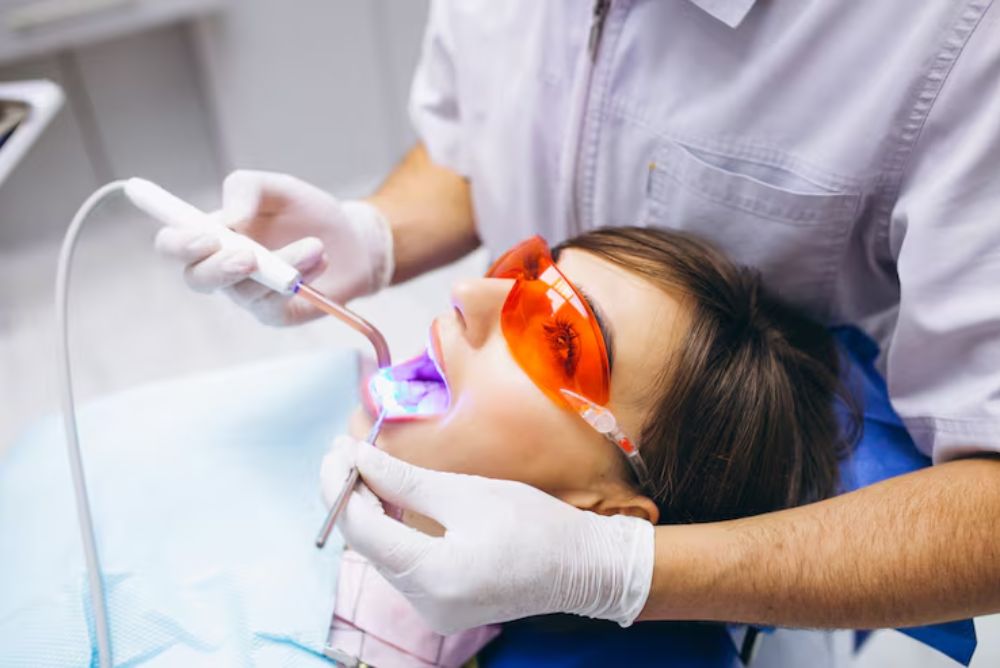
In-office whitening often provides faster and more noticeable changes than many at-home options, but the results still fade gradually. For some patients, the brighter appearance may remain for several months, while others may notice changes sooner.
The treatment outcome can depend on:
- The type and severity of existing stains
- The natural shade of the teeth
- Lifestyle habits
- The whitening system used
- How well the teeth are maintained afterward
A dentist in New Westminster can explain what type of result may be realistic based on the condition of the teeth.
How Long Do Teeth Whitening Results Last After One Treatment?
There is no single timeline that applies to everyone. A single whitening treatment may provide a brighter smile for months, but the effect can gradually decrease as new stains develop.
Whitening may not remove every type of discolouration. For example, stains caused by changes inside the tooth may respond differently from surface stains caused by food or drinks.
The best way to understand the expected result is to have the cause of the discolouration assessed before treatment.
What Can Cause Whitening Results to Fade Faster?
Teeth naturally come into contact with foods and drinks that can cause staining. Certain habits may make the whitening effect less noticeable sooner.
Common factors include:
- Frequent coffee or tea consumption.
- Drinking dark-coloured soft drinks.
- Eating foods with strong colour pigments.
- Smoking or using tobacco products.
- Inconsistent brushing and flossing.
- Skipping regular dental cleanings.
Reducing exposure to common staining sources may help preserve the brighter appearance.
How Can I Make My Teeth Whitening Last Longer?
Good oral care and a few simple habits can help your whitening results last longer.
Helpful habits include:
- Brush twice a day with fluoride toothpaste.
- Clean between your teeth every day.
- Rinse your mouth with water after foods or drinks that may stain your teeth.
- Limit foods and drinks that can cause stains.
- Avoid tobacco products.
- Visit a dentist near Burnaby for regular checkups and cleanings.
- Follow your dentist’s advice about touch-up treatments.
Only whiten your teeth when needed and follow your dentist’s advice.
Can Dental Cleanings Keep Teeth Looking Whiter?
Teeth whitening treatments can enhance the shade of your teeth more than freshly polished teeth. However, plaque and surface buildup removal can make teeth look cleaner and brighter.
A cleaning can be useful when surface deposits mainly cause discolouration. If deeper staining remains after cleaning, a dentist near you can help determine whether whitening may be suitable.
When Should You Consider Touch-Up Whitening?
A touch-up may be considered when the original whitening effect has gradually faded, and the teeth remain healthy. The timing depends on the treatment used and individual staining habits.
Before another whitening treatment, an assessment may be helpful to:
- Check for cavities or other dental problems.
- Identify the cause of new stains.
- Review tooth sensitivity.
- Confirm that whitening is suitable.
- Discuss the safest maintenance approach.
Repeated whitening should not be used to cover untreated dental problems.
Make Your Brighter Smile Last Longer!
Teeth whitening can help refresh the look of your smile, but the results are not permanent and may fade with time. How long your results last can depend on the whitening treatment, your eating and drinking habits, and how well you care for your teeth each day. Limiting foods and drinks that cause stains, keeping up with good oral hygiene, and following your dental professional’s advice can help maintain your brighter smile for longer.
Book an appointment with Artis Dental Centre New Westminster to discuss your whitening goals, explore suitable treatment options, and learn how you can care for your smile after whitening.
FAQs
How long does professional teeth whitening last?
Results can last for several months or longer. This depends on your habits, oral care, stains, and the type of whitening treatment.
Does in-office whitening last longer than at-home whitening?
Not always. In-office whitening may give faster results, but how long they last depends on your habits and oral care.
Do coffee and tea speed up whitening fading?
Affirmative. Over time, coffee and tea can stain your teeth. Try limiting them or rinsing your mouth with water after drinking.
Can results from whitening last forever?
No. Teeth whitening doesn’t last forever. Due to the passage of time, your teeth may be prone to stains. However, good oral care can keep your smile brighter for longer.