If you’re missing several teeth or preparing for full tooth loss, one question probably comes to mind before anything else: will dentures actually feel okay to wear? It’s a fair worry. Nobody wants a mouthful of plastic that slips while they’re talking or rubs sore spots into their gums. The good news is that denture technology has come a long way, and with the right fit and the right materials, most people adjust to a comfortable, natural-feeling smile within a few weeks.
Let’s walk through what actually makes a denture comfortable, which types tend to work best, and how to know if yours needs adjusting.
Why Comfort Depends on More Than the Denture Itself
A lot of patients assume comfort is purely about the brand or material of the denture. In reality, fit matters more than almost anything else. A denture molded precisely to your gum ridge and bite will always feel better than an expensive one that doesn’t sit right. That’s why the process starts with detailed impressions and a bite assessment, not just picking a product off a shelf.
The Denture Types Worth Considering
Implant-supported dentures are generally considered the most comfortable option available today. Instead of resting on the gums alone, they anchor to a small number of dental implants placed in the jawbone. This means no slipping, no need for messy adhesives, and a bite force that feels much closer to natural teeth. The tradeoff is cost and a longer treatment timeline, since the jawbone needs time to heal around the implants.
Flexible partial dentures, made from a soft, bendable resin instead of rigid acrylic, are another popular choice for people missing a few teeth. They flex slightly with the movement of your mouth, which many patients find far less irritating than stiff, traditional bases.
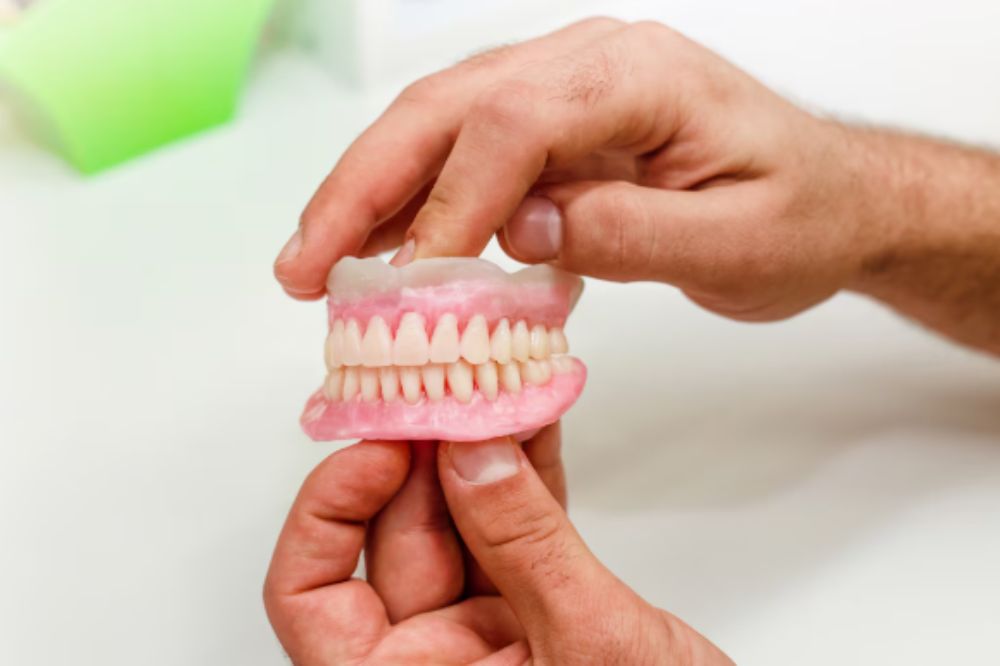
Traditional full or partial dentures have also improved. Modern acrylic and porcelain materials are lighter and more precisely fitted than older versions, and a well-made set can still feel quite comfortable for everyday wear, especially for patients who aren’t candidates for implants.
There isn’t one universal “best” answer, because comfort depends on your jawbone condition, budget, gum health, and how many teeth you’re replacing. That’s really a conversation to have chairside rather than something to decide from a blog post.
Small Habits That Make a Big Difference
Even the best-fitted denture needs some care to stay comfortable long-term. Rinse it after meals, brush it daily with a denture-specific cleaner, and take it out at night to give your gums a rest. Skipping these steps is one of the most common reasons dentures start to feel loose or cause sore spots over time.
Is the 3-3-3 Rule for Teeth Effective?
You may have come across the “3-3-3 rule” while researching oral hygiene online. The idea is simple: brush for 3 minutes, 3 times a day, for at least 3 weeks to build a lasting habit. As a general guideline for natural teeth, it’s a decent memory trick, though most dentists still recommend the standard two minutes, twice a day, rather than three sessions, since over-brushing can wear down enamel and irritate gums. For denture wearers, the rule doesn’t really apply the same way, since cleaning dentures is more about removing food debris and bacteria buildup than following a strict timer. A gentle, thorough clean once or twice a day is usually enough.
Getting a Denture That Actually Fits
The most comfortable denture is always the one that’s properly fitted to your mouth by someone who takes the time to get the details right. If you’re dealing with sore spots, slipping, or you’re just starting to explore your options, visiting a dental clinic in New Westminster for a proper evaluation is the best next step. A dentist near you can check your bite, gum condition, and jawbone health to recommend the option that will actually feel good day to day, not just look good on paper.
At Artis Dental Centre, we work with patients to find denture solutions that fit comfortably and function naturally.