Losing teeth can be difficult, affecting your speech, nutrition, and self-confidence. Fortunately, modern dentistry offers several reliable ways to restore your smile. Finding a high-quality Denture near you is the first step toward regaining a functional bite and a natural look.
Today’s options are more comfortable and realistic than ever, tailored to fit your unique facial structure. By knowing about these choices early, you can protect your oral health and smile without any trouble.
Traditional Full Replacement Solutions
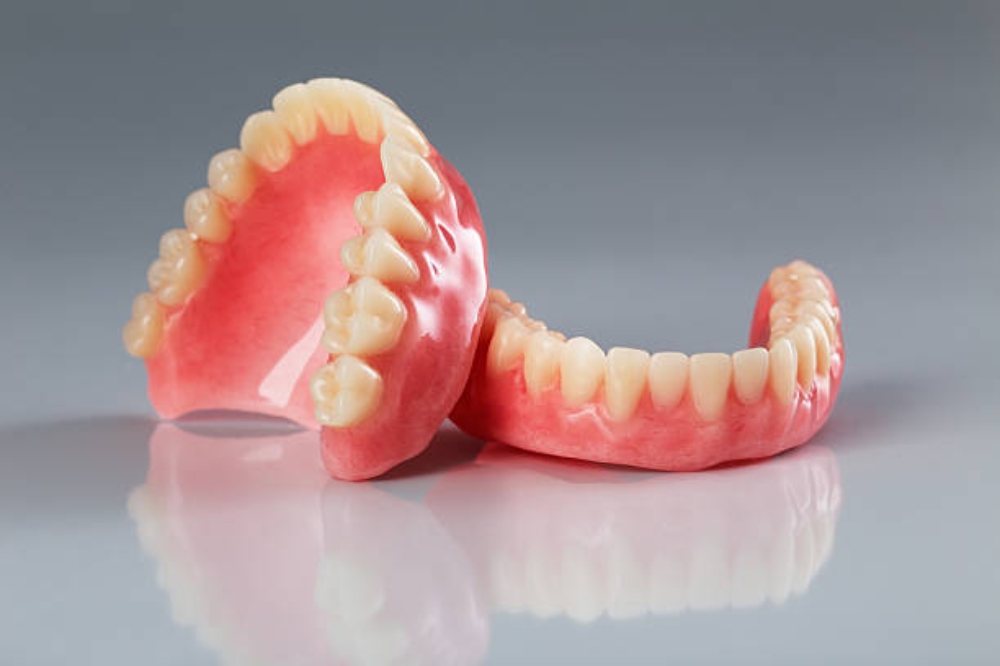
When all teeth in the upper or lower jaw are missing, a complete denture is the standard solution. This appliance uses a flesh-colored base that sits on your gums to support a full set of prosthetic teeth.
If you are visiting a dentist in New Westminster, they will take precise molds to ensure the base stays secure through natural suction.
These dentures help maintain your face shape and support your cheeks and lips, which can often look sunken after significant tooth loss.
Filling the Gaps with Partials
For those who still have some healthy, natural teeth, a partial is often the most effective choice.
This type of Denture in New Westminster uses a discreet framework that clips onto your existing teeth for stability. Partials offer several daily benefits:
- Improved Chewing: They allow you to enjoy a wider variety of foods.
- Speech Clarity: Filling gaps makes it easier to pronounce words clearly.
- Tooth Preservation: They prevent natural teeth from drifting into empty spaces.
- Natural Look: Modern materials ensure the clasps are barely visible.
The Stability of Implant-Supported Choices
One of the biggest concerns with traditional dentures is slipping while eating or talking. Implant-supported dentures solve this by “snapping” onto titanium posts placed in the jawbone.
By visiting a Dentist near you, you can see if you are a candidate for this permanent, rock-solid solution.
Immediate vs. Conventional Fitting
Timing is an important factor when deciding on your restoration. You have choices regarding how soon you receive your new teeth after any necessary extractions.
- Immediate Solutions – These are prepared in advance and placed on the same day your teeth are removed. You never have to spend a day without teeth, though they require more adjustments as your gums heal.
- Conventional Solutions – These are made after your tissues have completely healed, which usually takes 8 to 12 weeks. While you have to wait, the final fit is often more accurate from the start because the gums have already settled into their permanent shape.
- The Transition – Many patients use an immediate set as a “spare” or temporary fix while their high-quality conventional set is being crafted.
Adapting to Your New Smile
It takes a little time for your mouth to adjust to the feel of a new prosthetic.
During the first few weeks, minor soreness is normal as your muscles learn to hold the appliance in place.
- Soft Food Start – Begin with eggs, yogurt, and cooked veggies.
- Practice Speaking – Reading aloud helps your tongue adjust to the new boundaries.
- Professional Adjustments – If you notice a sore spot, a quick visit to the clinic can fix the fit.
- Adhesives – While not always required, a small amount of adhesive can provide extra security.
Long-Term Care and Maintenance
Daily cleaning is essential to keep your restoration bright and your gums healthy. Plaque can build up on prosthetics just like it does on real teeth.
- Rinse After Meals – This clears away loose food trapped under the base.
- Brush Daily – Use a soft-bristled brush made for dentures to clean all surfaces.
- Soak Overnight – Keep them in a specialized solution to kill bacteria and keep the shape.
- Gum Care – Gently brush your gums and tongue to keep your mouth fresh and healthy.
Bring Back Your Confident Smile
Choosing the right way to replace teeth is a personal decision that impacts your life every day. Whether you prefer traditional sets or the stability of implants, there is a fit for your lifestyle.
At Artis Dental Centre, we help you find the perfect match so you can eat and smile without worry. Contact us today to book your consultation.
Find us easily on the Google map and plan your visit today!
Frequently Asked Questions
How often should I replace my dentures?
Most professionals recommend a new set every 5 to 10 years because the shape of your jawbone changes over time.
Can I wear my dentures to bed?
It is best to remove them at night to let your gums rest and prevent fungal infections.
What if my denture breaks?
Do not use store-bought glue; contact your clinic immediately for a professional repair to avoid hurting your mouth.
Are implants worth the extra cost?
Many find the added chewing power and the confidence that their teeth won’t slip to be well worth the investment.