Choosing how to straighten your teeth is an important decision. Today, people often compare clear aligners with metal braces and wonder which option works better.
If you’re exploring Invisalign in New Westminster, it helps to understand how both choices work, along with their pros and cons.
This guide breaks everything down in simple terms so you can decide what feels right for your smile and your lifestyle.
What Are Traditional Braces?
Traditional braces are made of metal brackets and wires that are attached to the teeth. Over time, the wires are adjusted to move teeth into better positions gently.
Braces have been used for many years and are known for handling a wide range of alignment issues, including crowding, gaps, and bite problems.
Common features of traditional braces include:
- Fixed to the teeth until treatment is complete
- Adjusted during regular dental visits
- Visible when smiling or talking
What Is Invisalign?
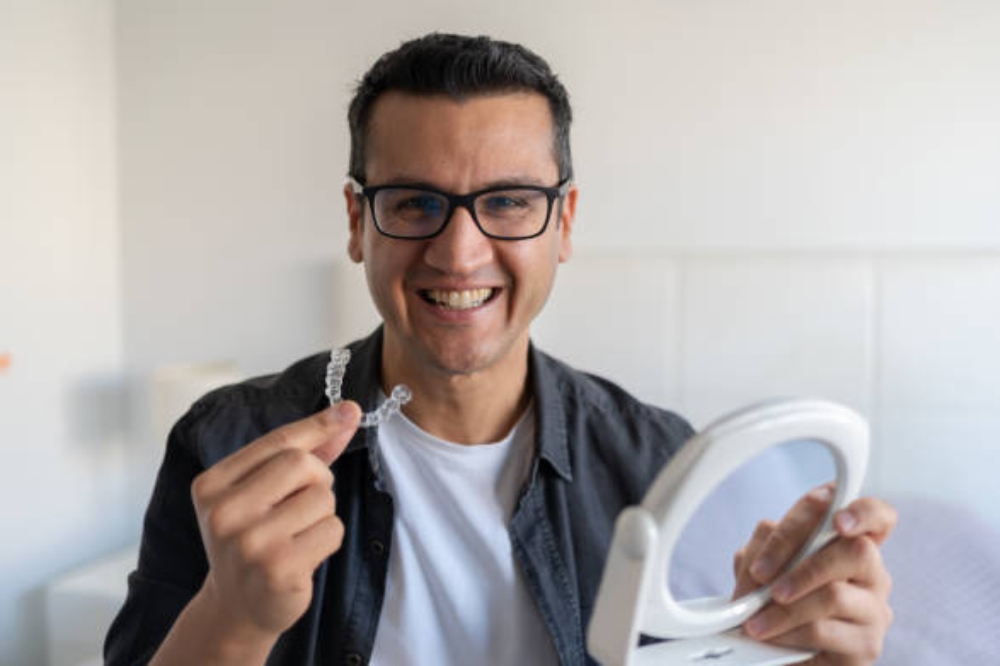
Invisalign uses a series of clear, removable trays called aligners. Each aligner is worn for a short period and then replaced with the next one in the series.
The aligners are custom-made to fit your teeth and are designed to move them step by step.
Key features of Invisalign include:
- Clear and less noticeable
- Removable for eating and brushing
- Changed every few weeks
Many people like Invisalign because it fits easily into daily routines.
Which Option Looks Better Based on Appearance?
One of the biggest differences between braces and Invisalign is how they look.
Traditional braces are noticeable because of metal brackets and wires. Invisalign aligners are clear and often hard to see unless someone looks closely.
People who prefer a subtle treatment option often choose aligners for this reason.
Comfort and Daily Life
Comfort when wearing braces or aligners can differ from patient to patient, but there are a few general differences to understand.
Braces would feel irritating to your cheeks or lips, especially after adjustments. Whereas, Invisalign aligners are smooth, but a little pressure is common when you switch to a new tray.
As aligners are removable, several people find it easy to eat normally and maintain their daily habits.
Eating and Oral Hygiene
With braces, certain foods like sticky candy or hard snacks are usually avoided. Cleaning around brackets and wires also takes extra time.
Invisalign aligners are removed during meals, so there are fewer food restrictions. Brushing and flossing can be done as usual before putting the aligners back in.
This flexibility is a big reason people look for Invisalign near them when deciding on treatment.
Treatment Time and Follow-Ups
Treatment length depends on how much movement your teeth need. Some people finish aligner treatment in about the same time as braces, while others may need longer.
Both options require regular check-ins to make sure teeth are moving as planned.
A dentist in New Westminster can help explain what timeline might be expected based on individual needs.
Do Both Options Work Well?
Both Invisalign and traditional braces are effective when used correctly. Braces are often chosen for more complex cases because they stay in place all the time.
Invisalign works best when aligners are worn as directed. Skipping wear time can slow progress.
For many mild to moderate alignment issues, Invisalign can be just as effective as braces.
Responsibility and Commitment
One important difference is responsibility. Braces stay on the teeth, so there’s no need to remember to put them back in.
Invisalign requires discipline. Aligners should be worn most of the day to work properly. This is something to consider, especially for teens or busy adults.
What are the Cost Considerations for Both Options
The cost of Invisalign and braces can be similar, depending on the case and length of treatment.
Costs may depend on:
- Complexity of alignment issues
- Length of treatment
- Number of follow-up visits
Discussing your options with a dentist near you will help you understand what is involved when talking about the cost.
Which Option Is Right for You?
There is no one-size-fits-all answer. Some people prefer the reliability of braces, while others value the flexibility of Invisalign.
There are several factors to consider before choosing the right option for your needs, some of which are as follows:
- Lifestyle and daily habits
- Comfort with removable aligners
- Appearance choices for your smile
- Your treatment goals
A dental consultation helps match the treatment to your needs.
Making an Informed Choice for Your Smile
Both Invisalign and traditional braces can lead to healthier, straighter smiles when used correctly. Understanding how each option fits into your daily life makes the decision easier.
For those exploring orthodontic options, Artis Dental Centre provides personalized guidance to help patients understand their choices and feel confident about the path they choose. Book a consultation with us to learn more about Invisalign and braces before making a decision.
Find us easily on the Google map and plan your visit today!
FAQs
Q1.Is Invisalign better than braces for everyone?
No, the choice between Invisalign and braces depends on your alignment needs, lifestyle and treatment goals.
Q2.Can Invisalign fix serious alignment problems?
Some complex cases may still require traditional braces.
Q3.Does Invisalign hurt less than braces?
Both can cause pressure, especially at first, but comfort varies by person.
Q4.How long do I need to wear Invisalign each day?
Aligners are usually worn most of the day for best results.